

The Hidden Costs of Poor Ductwork Design in Texas Homes
Poor air duct design can restrict airflow, cause uneven temperatures, and make an AC system run longer. It may take more time to cool a Texas home. Undersized ducts, restrictive layouts, poor return-air pathways, and other design issues can increase energy use and strain equipment. Correcting the ductwork can improve airflow, comfort, and overall HVAC performance.
When a Fort Worth home struggles to stay comfortable, the air conditioner often gets the blame.
Sometimes the AC is the problem. Other times, the cooling equipment works as it should. But the ductwork stops cooled air from reaching the home well.
That distinction matters in North Texas. During long periods of extreme summer heat, poor airflow can make the cooling system run longer. Some rooms may still feel uncomfortable.
Champion HVAC provides professional air duct design solutions for Fort Worth-area homeowners. Its NATE-certified technicians can check the HVAC system. They can see if the ductwork causes comfort or performance problems.
Why Air Duct Design Matters
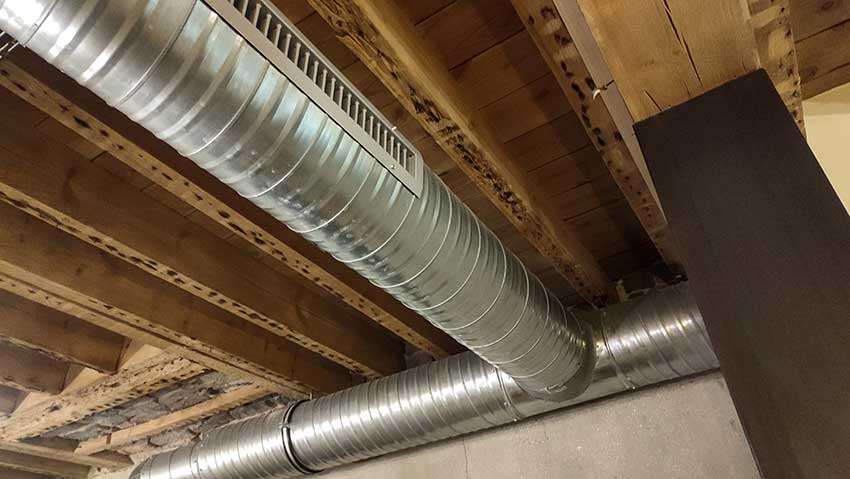
Ductwork delivers a home’s heating and cooling.
Supply ducts carry conditioned air into rooms. Return ducts bring air back to the HVAC system so the system can condition it again.
For that process to work properly, the duct system must move the right amount of air with reasonable resistance.
Problems can occur when ducts are:
Even a high-efficiency air conditioner can struggle when connected to a poorly designed distribution system.
Quick Fact
A new AC does not automatically fix an old ductwork problem.
If the current ducts can’t move enough air for the system. Replacing only the HVAC unit might not fix comfort problems.
How Poor Ductwork Can Increase Cooling Costs
|
Ductwork Problem |
What Happens |
|---|---|
|
Undersized ducts |
Airflow is restricted |
|
Pour duct routing |
Air encounters excessive resistance |
|
Leaky ducts |
Conditioned air escapes before reaching rooms. |
|
Unadequate returns |
Air cannot move back to the system effectively |
|
Crushed or damaged ducts |
Airflow through the affected run drops |
|
Poorly balanced system |
Some areas receive too much or too little air |
Not every high electric bill is caused by ductwork. Weather, thermostat settings, insulation, equipment condition, and household habits also affect energy use.
However, when high cooling costs appear alongside weak airflow or uneven temperatures, the duct system deserves attention.
Common Air Duct Design Mistakes
Ductwork does not need to be visibly broken to perform poorly. Some problems begin with the original design or installation.
Undersized Ducts
Bigger HVAC equipment requires sufficient airflow.
If the ducts are too small for the airflow the system needs, resistance increases. The blower then has a harder time moving air through the system.
Homeowners may notice:
Simply increasing blower speed isn’t always the answer. Evaluate the entire system to determine why something restricts airflow.
Poorly Routed Ductwork
Every bend, transition, and length of duct adds resistance to airflow.
A well-designed system accounts for that resistance. Poor routing can create unnecessary restrictions through excessive bends, long runs, sharp transitions, or awkward layouts.
Think of airflow like traffic. A straight, properly sized road moves vehicles more easily than a narrow route filled with sharp turns and bottlenecks.
The same basic principle applies to HVAC ducts.
Too Little Return Air
Supply vents get plenty of attention, but return airflow matters just as much.
The system must be able to pull enough air back toward the HVAC equipment. An inadequate return system can interfere with airflow throughout the home.
Closed interior doors can sometimes make the problem more noticeable when rooms lack an effective return-air pathway.
A professional ductwork evaluation should therefore consider both supply and return airflow, not just the number of vents.
Poor Duct Transitions
Air does not move efficiently through abrupt changes in duct size or direction.
Transitions should help air move from one duct section to another without creating unnecessary turbulence or restriction.
Poorly designed fittings can increase resistance and reduce the amount of conditioned air that reaches the intended room.
Crushed, Kinked, or Sagging Flexible Ducts
Flexible duct can work well when properly installed.
Problems occur when it is compressed, sharply bent, sagging, or poorly supported. These conditions can reduce the effective space available for airflow.
A duct run may connect the HVAC system to the room, but it can still perform poorly because of installation.
Warning Signs of Poor Air Duct Design
Homeowners usually cannot see most of their duct system. Instead, they notice the effects.
Common warning signs include:
One symptom alone does not prove that the ducts are poorly designed. Several HVAC problems can produce similar symptoms.
Professional testing helps separate ductwork problems from equipment, insulation, thermostat, or building-envelope issues.
Why Texas Heat Makes Ductwork Problems More Noticeable
Poor ductwork may be easier to overlook during mild weather.
Fort Worth summers are different.
When outdoor temperatures remain high, the cooling system must remove more heat from the home. The AC may already be operating for long periods, leaving less room for airflow problems.
A room receiving insufficient conditioned air may become noticeably warmer during the afternoon. An inefficient duct system may also contribute to longer runtimes as the thermostat tries to maintain the desired temperature.
Local Tip
Pay attention to rooms that become uncomfortable at the same time each afternoon.
Sun exposure and insulation may be part of the problem.
However, steady temperature differences between rooms can offer useful clues.
They may point to airflow patterns and duct design.
The Hidden Cost: Added Strain on HVAC Equipment
Energy bills are only one concern.
Poor airflow can also force HVAC components to operate under conditions they were not designed for.
If an air conditioner has difficulty moving the required amount of air, the system may experience added stress. Depending on the specific problem, poor airflow can affect comfort, operating performance, and equipment reliability.
That is why fixing the AC again and again, without checking for an airflow problem, may not solve the real issue.
Myth vs. Truth
Myth: If the AC is running, the ductwork must be working correctly.
Truth: An air conditioner can operate while the duct system delivers insufficient airflow to parts of the home.
Myth: A larger air conditioner will fix hot rooms.
Truth: Oversizing equipment does not correct poor duct design. The equipment and air-distribution system need to work together.
Myth: Closing vents in unused rooms always saves energy.
Truth: Closing too many supply vents can change airflow and pressure within a duct system. Homeowners should address comfort and balancing problems at their source rather than routinely closing vents as a fix.
How Professionals Diagnose Ductwork Problems
Effective ductwork correction begins with finding the actual restriction or design problem.
A technician may evaluate several aspects of the HVAC system.
Airflow and System Performance
The technician can look at how air moves through the system and whether specific rooms or duct runs have obvious performance problems.
Supply and Return Layout
Both sides of the air-distribution system matter.
A professional evaluation can confirm the system has enough return pathways. It can also confirm that each area has well-set-up supply ducts.
Duct Size and Routing
Technicians can evaluate accessible duct runs for sizing, length, bends, transitions, restrictions, and other design concerns.
Static Pressure
One useful HVAC diagnostic is static pressure.
In simple terms, static pressure measures airflow resistance inside the HVAC system. Excessive resistance can indicate that the blower is working against restrictive conditions.
Static pressure is not the only factor in duct diagnosis.
But it can give useful information about how the air distribution system performs.
Equipment and Ductwork Compatibility
Ductwork should support the airflow requirements of the installed HVAC equipment.
This is especially important when you replace or upgrade equipment while keeping the original duct system in place.
A professional can evaluate the equipment and ductwork as one system rather than treating them as unrelated components.
How to Fix Air Duct Design Mistakes
The right solution depends on what the evaluation finds.
Not every home needs complete duct replacement.
Possible corrections may include:
The goal is not simply to install more ductwork. The goal is to create an air-distribution system that supports the HVAC equipment and the home’s comfort needs.
Champion HVAC’s specialized HVAC solutions address airflow and other system-performance concerns beyond standard heating and cooling repairs.
Do We Need to Replace the Entire Duct System?
Not necessarily.
A homeowner with one poorly performing room may have a localized duct problem. Another home may have widespread design issues that affect nearly every supply and return run.
The appropriate solution depends on factors such as:
A professional evaluation can determine whether targeted modifications or a broader redesign makes more sense.
Homeowner Checklist: Could the Ductwork Be the Problem?
Consider a professional ductwork evaluation when:
These symptoms do not automatically mean the home needs new ducts. They indicate that the HVAC diagnosis should include airflow.
Field Report From the Shop
“When a homeowner has a hot room, the air conditioner isn’t always the problem. The equipment can be operating while the ductwork restricts how much conditioned air reaches that part of the house. Checking duct size, routing, return airflow, and system performance helps identify the cause.
It may be the equipment, the air-distribution system, or both. Better air duct design starts with the whole HVAC system
A home’s air conditioner and ductwork should function as one system.
Poor air duct design can undermine even good cooling equipment. Undersized ducts, tight routing, weak returns, and damaged ductwork can reduce airflow. This can cause uneven temperatures, longer runtimes, and higher energy use.
Those problems become especially noticeable during Fort Worth’s intense summer cooling season.
Champion HVAC has served the area since 1997. Its NATE-certified technicians get ongoing training. Our technicians check HVAC performance, airflow, and ductwork. This helps them find the cause of ongoing comfort problems.
Fort Worth-area homeowners with hot rooms, weak airflow, high cooling costs, or comfort issues can rely on Champion Mechanical LLC. We offer professional ductwork design and installation services and other specialized HVAC solutions. Contact us today to schedule an inspection.