
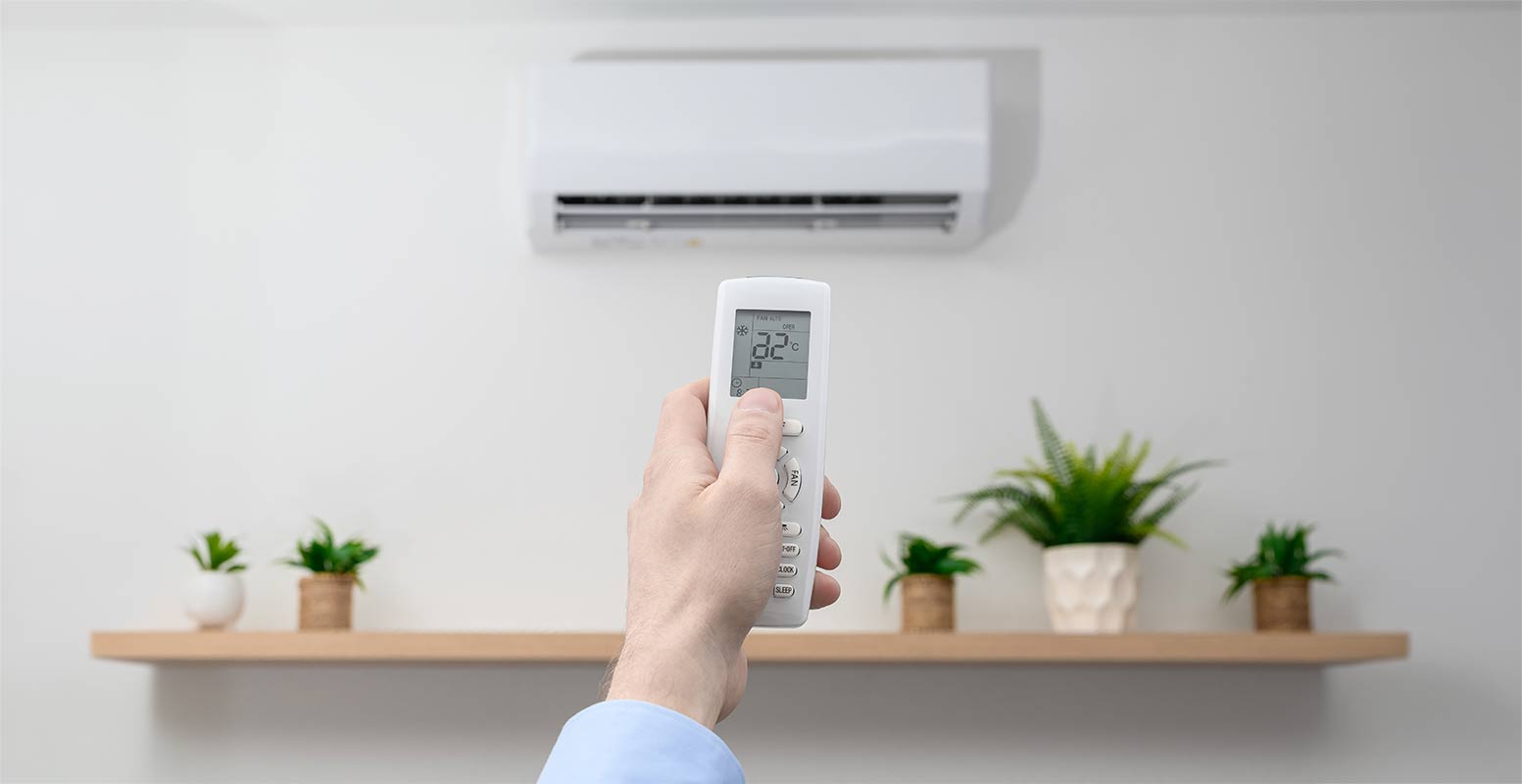
Ductless Mini-Splits in DFW: The Best Solution for Garages, Sunrooms, and Home Additions
When you live or run a business in the Dallas-Fort Worth Metroplex, every square foot of your building counts. Whether converting a home garage into a gym, turning a sunroom into a lounge, expanding a home office, or outfitting a light commercial property, maximizing usable space is a top priority.
However, North Texas property owners face a major climate challenge: How do you maintain comfortable year-round temperatures in specialized spaces without sending energy bills skyrocketing?
In DFW, weather shifts rapidly from blistering 100°F summer heatwaves to sudden sub-freezing winter cold snaps. Tapping into an existing central HVAC system to cover new or isolated rooms is often costly, inefficient, or physically impossible. That is where modern ductless mini-split heat pumps come in.
The Problem with Extending Central Ductwork
When expanding a home or commercial building, many owners assume the easiest route is extending ductwork from the main central system. In North Texas, this often causes three major issues:
- System Overload: Your current air conditioner or furnace was sized for your original square footage. Forcing it to serve an extra 300 to 800 square feet causes it to run constantly, increasing utility costs and leading to premature equipment breakdown.
- High Construction Costs: Opening up finished drywall, running duct lines through tight attic spaces, or cutting into concrete slabs adds significant expense to a renovation budget.
- Uneven Hot and Cold Spots: Rooms located furthest from the central air handler suffer from restricted airflow, leaving them muggy in August and chilly in January.
What is a Ductless Mini-Split System?
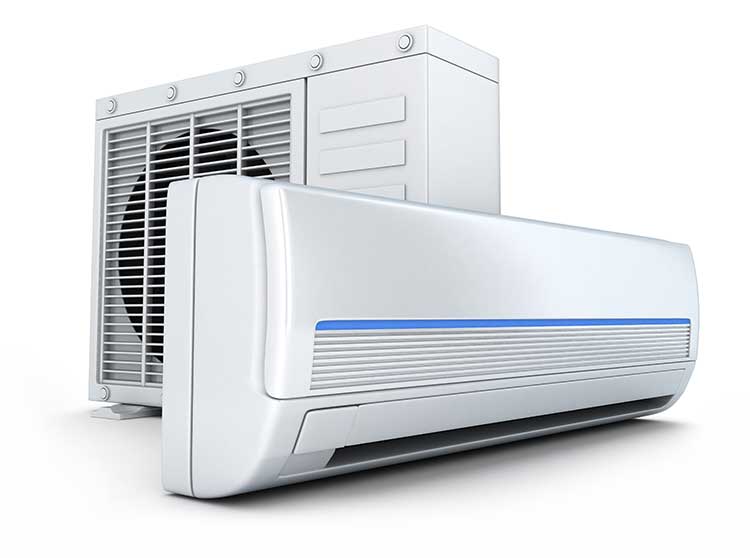
A ductless mini-split is a two-part heat pump system that delivers direct, targeted climate control to individual rooms without air ducts:
- Outdoor Condenser/Compressor Unit: Installed outside on a pad or wall bracket with a small footprint.
- Indoor Air Handler: Mounted on an interior wall, ceiling cassette, or floor-mounted unit to deliver conditioned air directly into the room.
A small conduit containing electrical wiring, refrigerant lines, and a condensate drain connects the indoor and outdoor components through a modest 3-inch hole in an exterior wall.
Quick Fact: Duct Leakage Losses
According to the U.S. Department of Energy, traditional central HVAC systems lose 20% to 30% of conditioned air through duct leaks, holes, and poor connections. Ductless mini-split systems eliminate duct loss and deliver nearly 100% of conditioned air directly into your living space.
ENERGY STAR-certified mini-splits use up to 60% less energy than standard home electric radiators.
Residential Applications in North Texas Homes
Light Commercial Applications Across DFW
Mini-split systems are equally versatile for small businesses, retail units, and commercial properties throughout Tarrant and Parker Counties:
Cost Considerations: Understanding Your Investment & Long-Term Savings
What Factors Influence the Initial Investment?
While mini-split installation costs vary depending on the building, total upfront expenses are driven by a few core variables:
How Mini-Splits Save Money Long-Term
Despite the initial investment, ductless mini-splits deliver strong financial paybacks over time:
Professional vs. DIY Installation: Why Professional Sizing & Service Matters
With direct-to-consumer mini-split kits available online, some property owners consider DIY installation. However, improper self-installation often leads to poor performance and voided warranties.

|
Feature |
Professional Installation (Champion Mechanical) |
DIY Installation Kits |
|---|---|---|
|
Manual J Load Sizing |
Precise Sizing: |
Guesswork Sizing: |
|
Warranty Coverage |
Full Protection: Comprehensive manufacturer parts warranty (often 10 years) plus installation labor guarantees. |
Voided Warranties: |
|
Refrigerant & Electrical Safety |
Licensed Handling: |
Risk of Leaks: |
|
Flexible Financing |
Available Options: |
100% Upfront Cost: |
Upgrade Your Comfort with Champion Mechanical
Adding square footage to a home or business should increase comfort, not drive up utility bills. If planning a renovation, outfitting an outbuilding, or seeking targeted cooling for a commercial space in DFW, ductless mini-split systems offer a flexible, whisper-quiet, and energy-efficient solution.
At Champion Mechanical LLC, our NATE-certified technicians specialize in professional AC System services and complete indoor climate management. We perform precise load calculations to recommend, size, and install the perfect mini-split system for your budget and space.
Ready to transform a garage, sunroom, or commercial space into a year-round comfortable environment? Learn more about our full range of air conditioning services or contact our team today to request a free estimate for professional AC installation in Fort Worth.
Call Champion Mechanical at (817) 637-7337 or schedule your service online today!