
What Happens During a Professional AC Tune-Up?
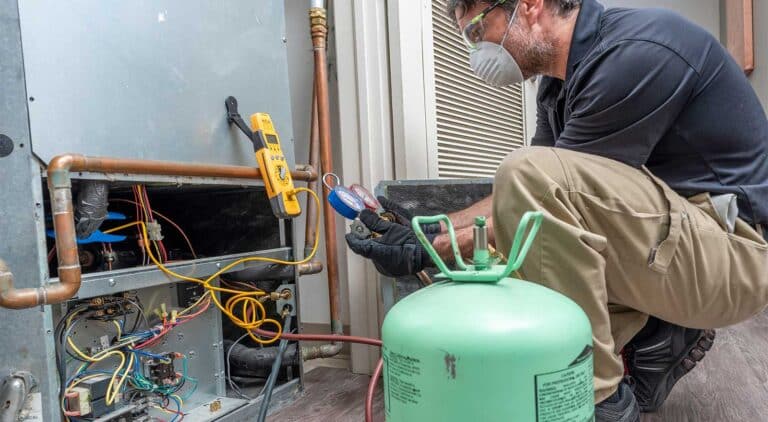
The AC tune-up process involves inspecting, testing, cleaning, and evaluating key parts of an air conditioning system. A professional technician checks system performance, electrical components, airflow, drainage, and other operating conditions. The goal is to spot early problems and help the AC run well during Fort Worth’s hot season.
When summer temperatures rise in Fort Worth, an air conditioner may run for hours each day. That workload can expose problems that were easy to miss during cooler weather.
A professional AC tune-up gives homeowners an opportunity to have the cooling system evaluated before peak demand arrives. Rather than waiting for the AC to fail, a technician can inspect it. They can spot wear or reduced performance early.
Champion HVAC has served the area since 1997. Its NATE-certified technicians receive ongoing training and provide professional AC maintenance for Fort Worth-area homeowners.
But what does an AC tune-up actually involve? The exact service depends on the equipment and its condition, so it can vary. Knowing the AC tune-up process helps homeowners understand what to expect.

What Is a Professional AC Tune-Up?
An AC tune-up is preventative service designed to evaluate how an air conditioning system is operating.
An AC repair appointment is different. During a repair visit, the homeowner already knows something is wrong. The system may not turn on, cool properly, or maintain the thermostat setting.
During preventative maintenance, the technician looks for signs of trouble before they cause a noticeable failure.
A professional tune-up may include inspection, testing, cleaning, and performance checks across several parts of the cooling system.
Quick Fact: Maintenance vs. Repair
|
AC Tune-Up |
AC Repair |
|---|---|
|
Scheduled as preventive service |
Usually scheduled because of a known problem |
|
Evaluates overall system condition |
Diagnoses a specific malfunction |
|
Looks for developing issues |
Identifies the cause of existing failure |
|
Includes routine inspection and maintenance tasks |
May require repairing or replacing failed components |
|
Helps prepare equipment for heavy seasonal use |
Restores equipment that is not operating correctly |
An AC tune-up cannot prevent future breakdown. However, routine maintenance allows a trained technician to spot developing issues before the system faces Fort Worth’s peak summer workload.
The Professional AC Tune-Up Process
Homeowners sometimes think an HVAC tune-up consists mainly of changing the air filter and looking at the outdoor unit.
A professional maintenance visit goes further.
The technician checks several cooling system parts to confirm the equipment works as expected and needs no attention.
1. Review the System and Homeowner Concerns
A good maintenance visit starts with information.
The technician may ask whether the homeowner has noticed changes such as:
These observations provide useful clues.
An AC system may still be running while a smaller problem is developing. Knowing what has changed since the previous cooling season can help the technician focus the inspection.
2. Check the Thermostat and System Operation
The thermostat tells the cooling system when to operate, so it is an important part of the AC tune-up process.
The technician can check whether the thermostat responds properly and whether the system starts, runs, and shuts down as expected.
This initial operational check can also reveal cycling or temperature-control issues that require further investigation.
3. Inspect Electrical Components and Connections
Air conditioners depend on several electrical components to operate.
Heat, vibration, and normal use can affect electrical connections and components over time. A professional technician can inspect accessible electrical parts for wear or other issues.
Depending on the system, the evaluation may involve components such as:
Electrical HVAC work is not an appropriate DIY maintenance task. A trained professional should evaluate problems in this area.
4. Evaluate the Indoor and Outdoor Equipment
A central AC system has components inside and outside the home. Both sides need to work together to provide reliable cooling.
The technician can inspect the equipment for visible damage, heavy dirt, wear, or other issues that could affect performance.
The environment can expose the outdoor unit to extra stress. Dirt, grass clippings, leaves, and other debris can accumulate around it.
Indoor equipment also needs attention because it affects airflow, heat transfer, and moisture removal.
5. Check Airflow
An air conditioner cannot cool the home effectively without adequate airflow.
Restricted airflow can reduce comfort and force equipment to work harder. Several different problems can also cause it, so simply lowering the thermostat does not solve it.
During maintenance, the technician can evaluate conditions that may affect airflow, including:
If the technician identifies a larger airflow or ductwork problem, they may recommend additional diagnostics.
6. Inspect the Condensate Drainage System
Air conditioning does more than lower indoor temperature. It also removes moisture from the air.
That moisture must drain away from the equipment properly.
A clogged or slow-draining condensate line can cause water around HVAC equipment and other moisture problems. During a professional AC tune-up, the technician can check the drainage system.
They look for problems that could affect normal operation.
This is particularly relevant in North Texas, where air conditioners can operate for long periods during hot weather.
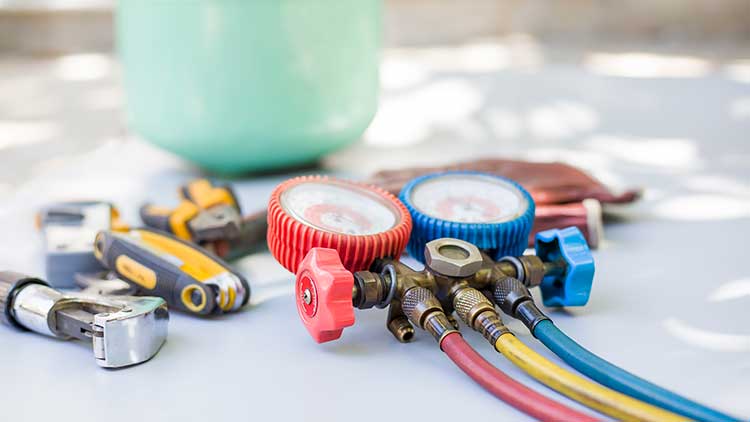
7. Evaluate Refrigerant-System Performance
Refrigerant plays a central role in moving heat out of the home.
A tune-up does not mean automatically adding refrigerant. A properly operating sealed system should not require routine refrigerant “top-offs” simply because technicians perform maintenance.
Instead, the technician evaluates cooling performance and looks for signs of a refrigerant-related problem.
If you suspect a refrigerant issue, you may need to perform further diagnosis to determine the cause.
Myth vs. Truth
Myth: Every AC tune-up should include adding refrigerant.
Truth: Refrigerant should not be treated like fuel that an air conditioner normally consumes. If system conditions indicate a refrigerant problem, diagnose the cause instead of automatically adding more refrigerant.
8. Clean and Address Routine Maintenance Needs
Dirt and debris can interfere with HVAC performance.
The system and the maintenance service provided determine the specific cleaning performed during an appointment. The technician can address appropriate routine maintenance needs and identify areas that require additional service.
Keeping equipment clean and unobstructed supports normal airflow and heat transfer.
9. Test the System After the Tune-Up
After the inspection and maintenance work, the technician can operate the system again and evaluate its performance.
This helps confirm how the equipment is running and whether you should discuss any findings with the homeowner.
If the technician finds a growing problem, the homeowner can decide how to fix it. They can act before it gets worse.
What Problems Can an AC Tune-Up Find?
An air conditioner does not have to stop working completely for something to be wrong.
Preventative maintenance may uncover signs of:
Finding a problem during maintenance doesn’t always mean the homeowner needs a major repair. It also doesn’t always mean they need a new air conditioner.
The inspection provides better information about the system’s condition.
Why AC Tune-Ups Matter in Fort Worth
North Texas places substantial seasonal demands on air conditioning equipment.
During the hottest part of summer, an AC system may operate for extended periods. High outdoor temperatures also make an unexpected breakdown more disruptive for the household.
That makes preventative maintenance particularly useful before peak cooling demand.
Local Tip
Homeowners should watch for changes in AC performance as temperatures rise. Long runtimes are normal in extreme heat.
But sudden changes in airflow, cycling, sound, or comfort may mean the system needs a pro.
Routine maintenance allows homeowners to address these concerns before the equipment is under its heaviest seasonal load.
Can an AC Tune-Up Help With Energy Efficiency?
Maintenance can help an air conditioner operate properly.
Dirty equipment, airflow restrictions, worn components, and other problems may cause the system to work harder than necessary. Addressing maintenance needs can help restore proper operating conditions.
However, a tune-up cannot turn an old or inefficient air conditioner into a new high-efficiency system.
Energy use also depends on factors such as:
For homeowners worried about high summer electric bills, HVAC maintenance is a good place to start. It can reveal obvious performance problems.
How Often Should Homeowners Schedule AC Maintenance?
Regular maintenance works best when you do it before you need the system at full capacity.
For air conditioning equipment, scheduling professional maintenance before the peak cooling season gives homeowners time to fix issues early.
The right schedule depends on the equipment, its age, operating conditions, and manufacturer recommendations.
Homeowners who prefer a regular preventative HVAC service schedule can also review Champion HVAC’s maintenance plans.
Homeowner Checklist: When to Schedule an AC Tune-Up
A homeowner should consider professional AC maintenance when:
A tune-up is preventative service. If the AC has stopped cooling, keeps tripping protection, leaks a lot, or shows a clear fault, it may need repair.
Field Report From the Shop
“During an AC tune-up, the goal isn’t just to see whether the system turns on. A technician checks how the equipment is running and looks for changes that could cause problems during heavy summer use. In Fort Worth, finding those issues before the hottest part of the season can give homeowners more time to address them.”
Prepare the AC Before Fort Worth’s Peak Heat
A professional AC tune-up helps homeowners see how well their cooling system is working. It does this before North Texas summer heat puts it under heavy demand.
The technician can evaluate electrical components, airflow, drainage, equipment condition, cooling performance, and other operating factors. If something is starting to fail, preventive maintenance helps the homeowner catch it before it breaks.
Champion HVAC has served the area since 1997 and invests in ongoing technician education. Its NATE-certified technicians provide professional AC maintenance with an emphasis on knowledgeable service, clear communication, and recommendations in the homeowner’s best interest.
Fort Worth homeowners can get their AC ready for summer. Schedule professional maintenance or explore Champion HVAC maintenance plans for ongoing preventive service.